Last Updated on by Azib Yaqoob
A dofollow backlink is a normal link that search engines are free to follow and count. A nofollow, sponsored or ugc link carries a label that tells Google how to treat it. Knowing which is which helps you build links that matter and avoid the paid-link mistakes that get sites in trouble.
Quick answer: There is no
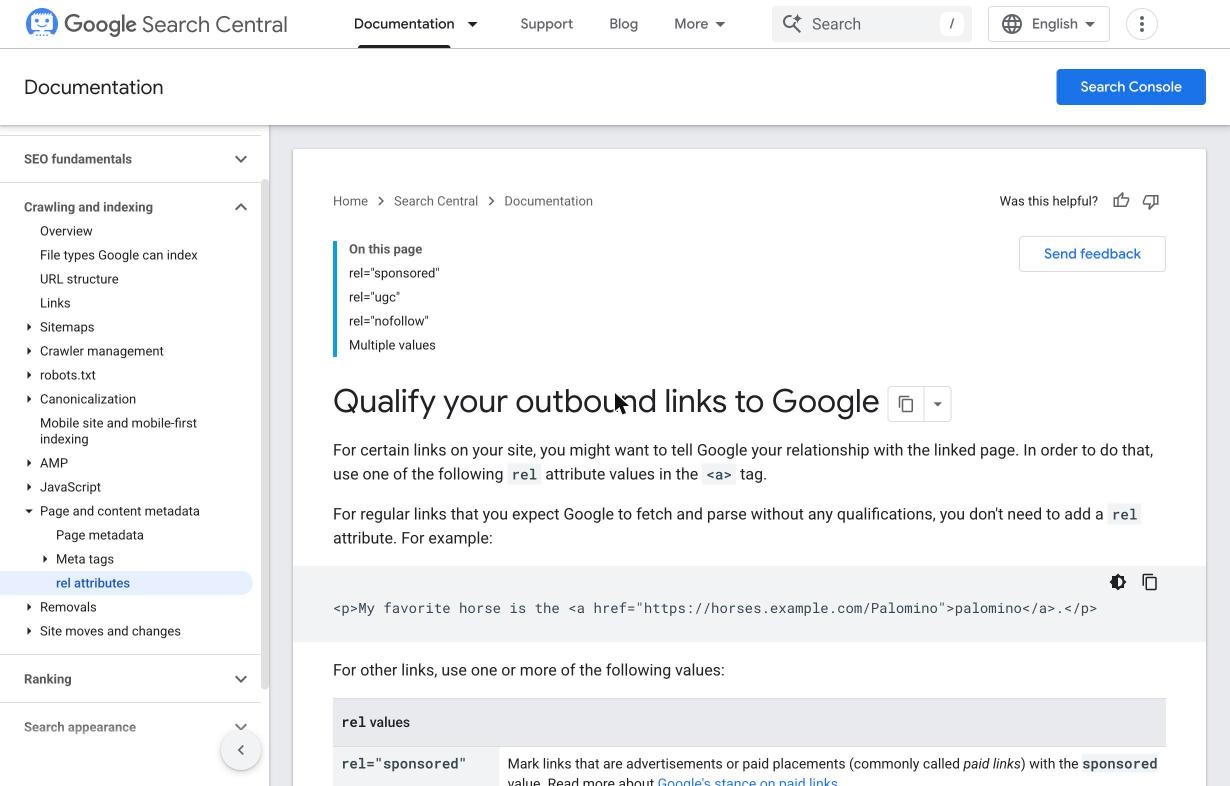
rel="dofollow"attribute. A link is “dofollow” simply because it has nonofollow,sponsoredorugclabel. Google says it treats those three labels as hints, not strict commands. Usesponsoredfor paid links,ugcfor comments and forum posts, andnofollowwhen you do not want to vouch for a page. For a local business, a handful of relevant links from real local sources beats hundreds of random ones.
Table of Contents
Dofollow vs nofollow vs sponsored vs ugc
The four link types differ by one small piece of HTML. Here is how they compare:
| Link type | HTML | When to use it | What Google says |
|---|---|---|---|
| Dofollow (default) | <a href="https://example.com"> | Editorial links you stand behind | Can be followed and can pass ranking signals |
| Nofollow | rel="nofollow" | Links you do not want to vouch for | Treated as a hint; generally not followed |
| Sponsored | rel="sponsored" | Ads, paid placements, affiliate links | Preferred label for paid links |
| UGC | rel="ugc" | Comments, forum posts, reviews | Label for user-generated content |
The word “dofollow” is industry shorthand. If you view the source of a normal link, you will not find that word anywhere. The link is dofollow only because nothing tells Google otherwise.
Why dofollow backlinks matter
Links are one of the ways Google discovers pages and judges whether other sites consider a page worth citing. A link from a relevant, trusted site is a recommendation. That is why links remain part of SEO, even though they are one signal among many.
Two honest caveats. First, not every dofollow link helps. A link from an unrelated or spammy page can be ignored, or it can be treated as a link-spam attempt. Second, no one outside Google can tell you exactly how much weight a given link carries, so be wary of anyone who promises a precise ranking lift from a number of links.
Nofollow links are not useless either. They can still send visitors, build brand awareness and help people find you. A nofollow link from a well-read local news site can be worth more to a business than a dofollow link from an obscure blog.
How Google treats the three labels
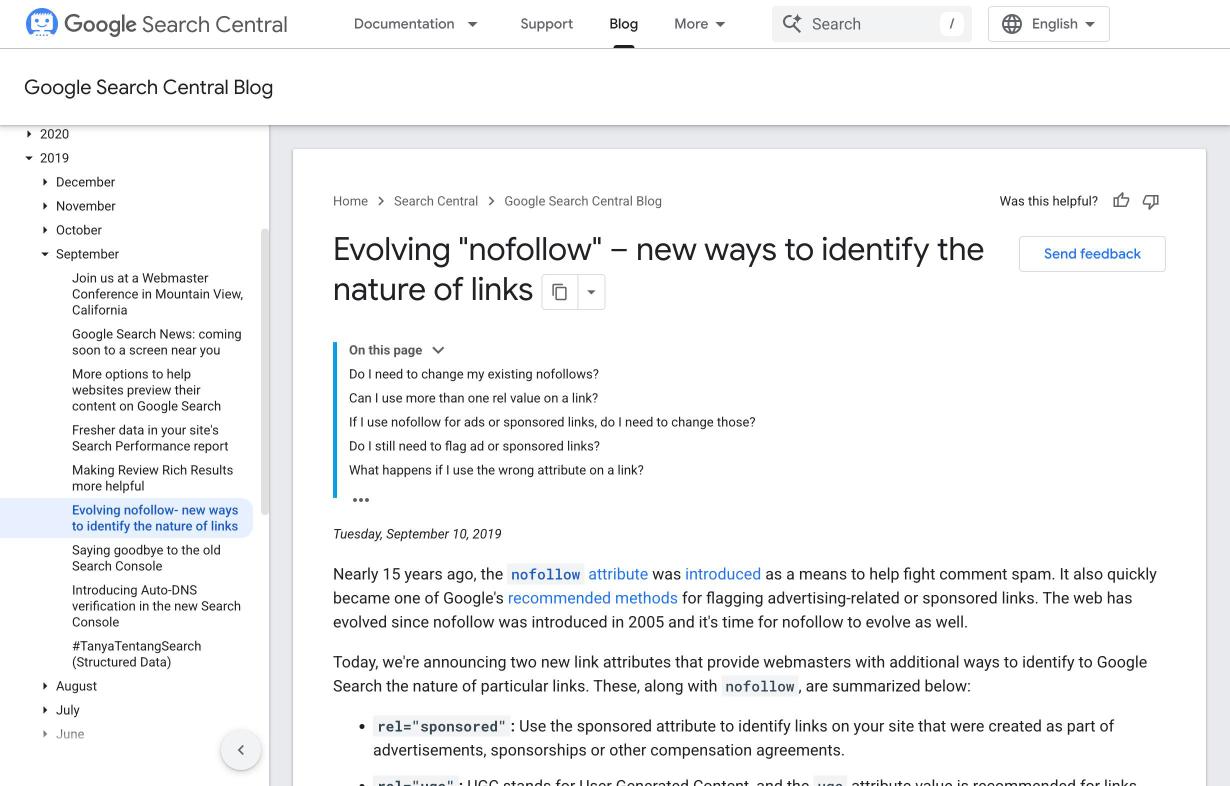
Google introduced sponsored and ugc in September 2019 and said that, from March 2020, all three labels are treated as hints for ranking and for crawling. In plain terms, Google can choose to use a labelled link if it decides that is the right call, but you should not expect labelled links to pass the same value as a normal link. As of November 2026, Google’s documentation says links marked with these attributes will generally not be followed, and that the linked page may still be discovered through other routes such as sitemaps or other sites.
When to use each label
- Sponsored: any link you were paid for, or received free products or services in exchange for. Affiliate links belong here too.
- UGC: links added by visitors in blog comments, forum threads and reviews. You can combine values, for example
rel="ugc nofollow". - Nofollow: a link where you cannot or do not want to vouch for the destination, and no other label fits.
- No label: editorial links you chose freely because the page is useful to your readers.
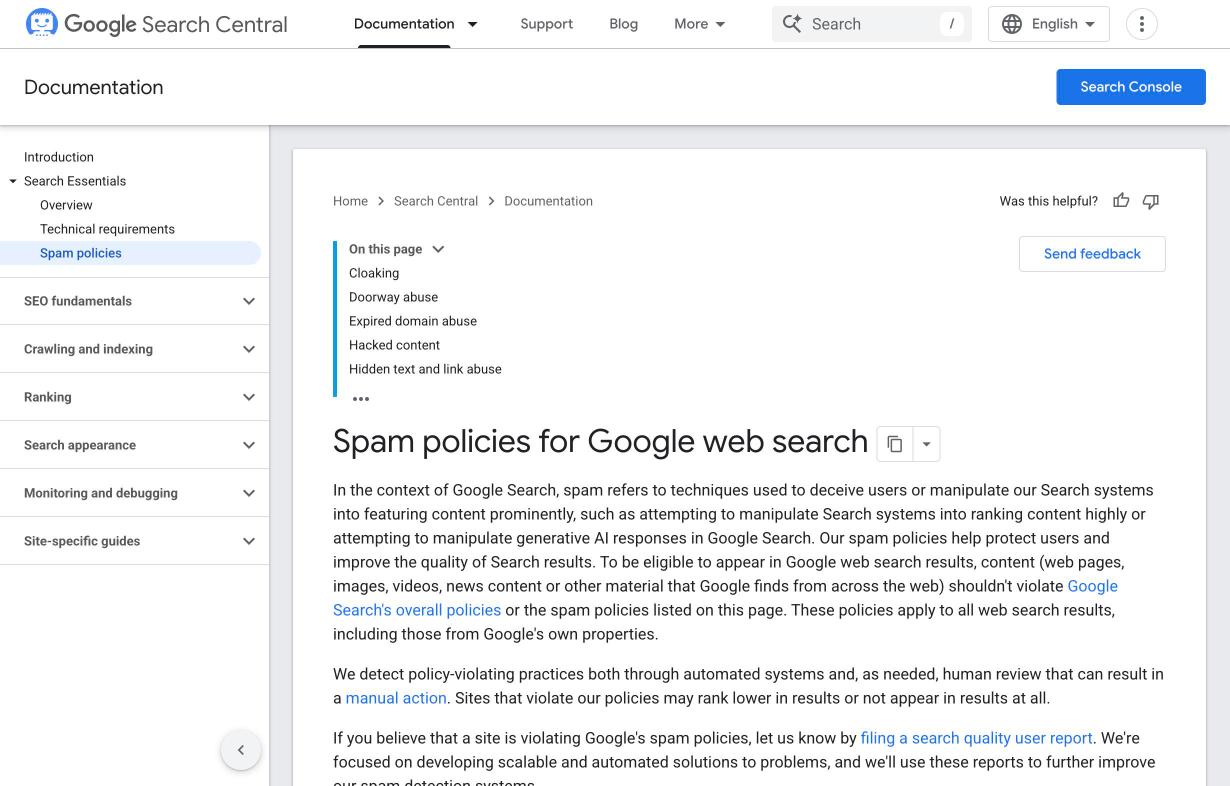
Google’s spam policies list buying or selling links that pass ranking signals as link spam. If you pay for a link, label it sponsored (or nofollow). If you are the one paying, assume a link without a label may be ignored or may put your site at risk.
How to check if a link is dofollow
- Open the page that links to you in Chrome.
- Right-click the link and choose Inspect.
- Look at the
<a>tag. If you seerel="nofollow",sponsoredorugc, it is labelled. If there is norelattribute with those words, it is a normal (dofollow) link. - To check many links at once, use a backlink report. Free options include Ahrefs’ free backlink checker and the links report in Google Search Console.
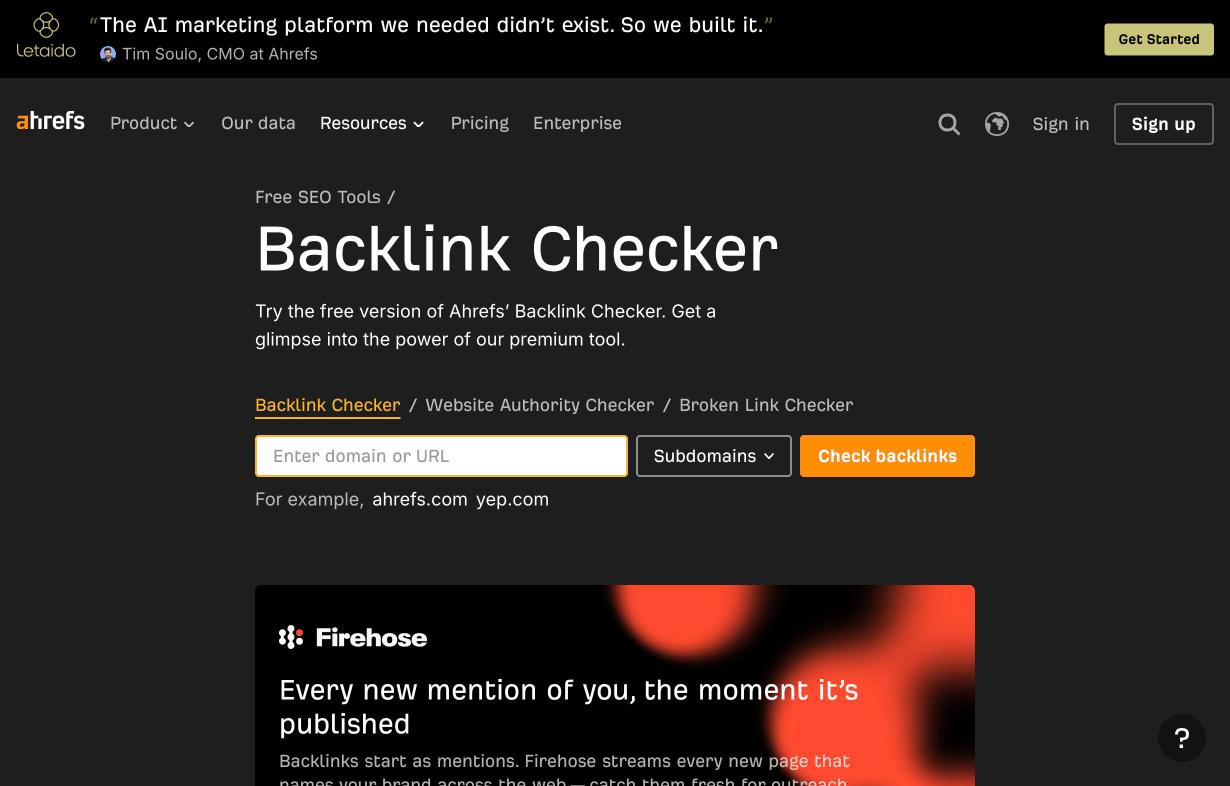
Our guide on finding competitors’ backlinks shows how to turn a backlink export into a list of link targets.
How to add nofollow, sponsored or ugc to a link
WordPress
The simplest reliable method works in any WordPress setup. Open the post, select the link block and switch to the code editor (the three-dot menu, then Code editor). Add the attribute to the link:
<a href="https://example.com" rel="sponsored">Example</a>
<a href="https://example.com" rel="nofollow ugc">Example</a>
Many SEO plugins also add a toggle for nofollow and sponsored in the link dialog. The exact option names change between versions, so check your plugin’s documentation. WordPress also marks comment links as ugc nofollow by default, so you usually do not need to do anything for comments.
Shopify and other platforms
In the Shopify page or blog editor, click the </> (show HTML) button, find the link and add the rel attribute the same way. Other builders such as Wix and Squarespace may offer a checkbox in the link settings. If yours does not, look for an HTML or code embed option.
How to build good dofollow backlinks
The links worth chasing are the ones a real person would click. Start with these:
- Local citations and directories: your Google Business Profile, Chamber of Commerce, the BBB and trade bodies. Many of these are nofollow, but they confirm your business details. See our guide to ranking a Google Business Profile.
- Local press and sponsorships: a local charity event, a school team or a community fundraiser often links to the sponsor’s website.
- Supplier and partner pages: manufacturers and trade associations often list approved installers or members.
- Unlinked mentions: if a site mentions your business without a link, politely ask for one.
- Useful content: a clear pricing guide or checklist for your area that others want to cite.
- Broken link outreach: find a dead link on a relevant page and offer your page as a replacement.
For tools that make this easier, see our list of free white-hat link building tools. Avoid link schemes, private blog networks and bulk directory submissions. If you suspect past links have hurt you, read how to check if your site is penalized.
Example: a plumber in Dallas
This is a hypothetical example. Imagine a plumber in Dallas who wants more local visibility. A sensible link plan could include a profile on the local chamber’s website, a sponsorship link from a youth sports team, a partner listing on a fixture manufacturer’s installer page and a mention in a local news story. Some of those links will be dofollow and some will be nofollow. All of them are real, local and relevant, which is what you want.
What the same plumber should avoid is paying for dozens of guest posts on unrelated sites. They look manipulative and are unlikely to bring customers.
How this affects AI search (ChatGPT, Google AI Overviews)
Google says its AI features, such as AI Overviews, draw on the same index and the same basic SEO principles as regular search, so a page generally needs to be indexed and eligible to appear with a snippet. That means the link signals that help you in normal search are still relevant. We could not find public documentation that confirms whether ChatGPT or other assistants read rel attributes the way Google does, so do not build a strategy around that. A better goal is to be mentioned and cited by trusted local sources. If you want to see how AI tools currently describe your business, request a free AI visibility check.
Dofollow backlink checklist
- Is the link relevant to my business and location?
- Would a real visitor click it?
- Did I pay for it? If so, is it labelled sponsored?
- Is it in a comment or forum? Is it labelled ugc?
- Am I chasing numbers instead of quality?
FAQ
Is there a rel=”dofollow” attribute?
No. A link is called dofollow when it has no nofollow, sponsored or ugc label. Adding rel="dofollow" does nothing.
Do nofollow links help SEO?
They may not pass ranking signals in the same way, but Google treats the label as a hint. They can still bring referral traffic, brand mentions and a more natural-looking link profile.
What is the difference between nofollow and sponsored?
Nofollow is the general label. Sponsored is specific to paid placements and affiliate links. Google says nofollow is still acceptable for paid links, but sponsored is preferred.
Should I make all my outbound links nofollow?
No. Linking out to useful, trustworthy sources is normal. Label only the links that are paid, user-generated or ones you cannot vouch for.
How many dofollow backlinks do I need?
There is no fixed number. Look at the sites that rank above you for your main searches, compare the quality and relevance of their links with yours, and close the gaps one by one.
Next step
If you run a home-service business and want links and local rankings handled properly, see how we approach local SEO and AI search.
Very Good article thanks for sharing….